The information in this article is for informational and educational purposes only. Always talk to your doctor and do not make any adjustments to your medication—including dose or frequency—on your own.
Key takeaways
Substance use can raise your risk of long-term liver damage and acute liver injury.
- Alcohol is one of the most researched and well-known toxins to the liver.1
- Some illicit drugs, especially stimulants and inhalants, may cause liver toxicity and injury.1
- Certain over-the-counter (OTC), prescription medications, and supplements may also lead to liver damage.2
- Other common outcomes of substance abuse, like polysubstance use and hepatitis, can also raise the risk of liver damage.2,3
- What is drug-induced liver damage (DILI)?
- How drugs and substances damage the liver
- Drugs, medications, and supplements that damage the liver
- Signs and symptoms of liver damage
- Can liver damage be reversed?
- When alcohol or drug use is damaging your liver
- How medical detox at Tides Edge protects your health
- Frequently asked questions
- Get help today
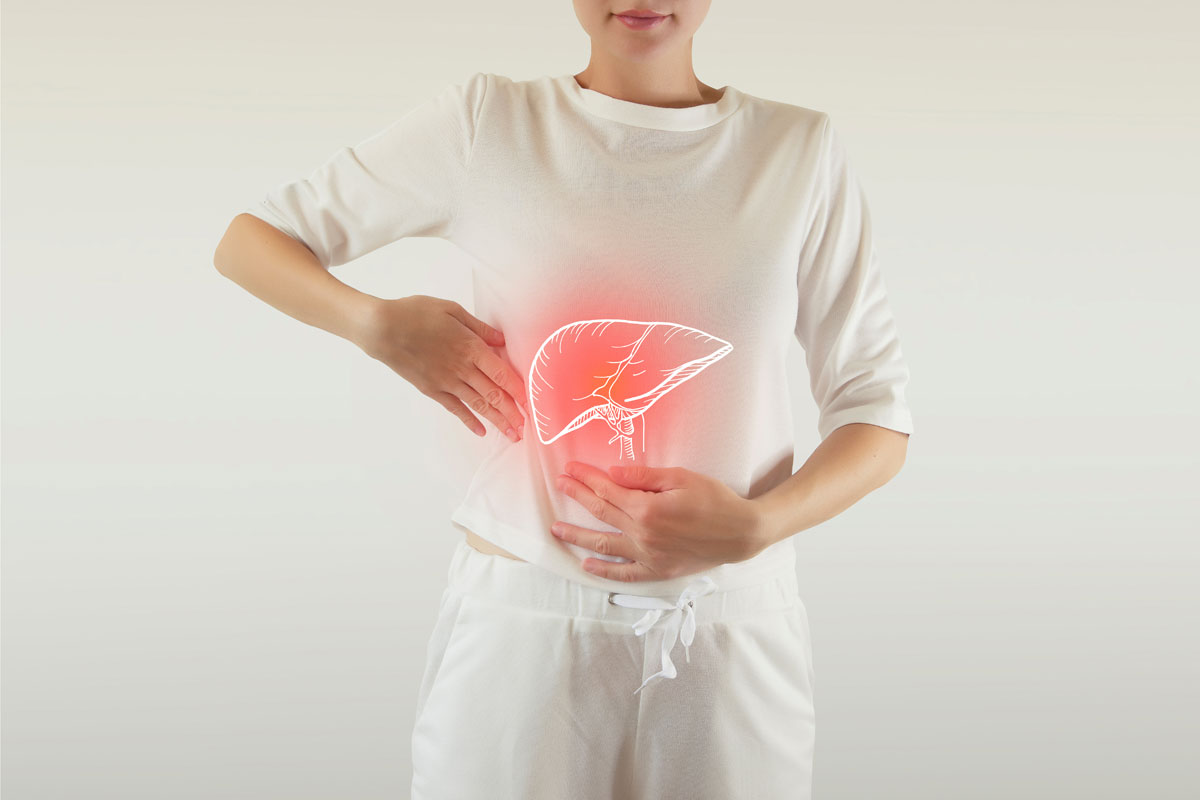
Many drugs can cause liver damage, including common medicines like acetaminophen, certain antibiotics, herbal supplements, alcohol, and some drugs of abuse. This guide explains what drugs cause liver damage, how drug-induced liver injury happens, which warning signs to watch for, and when medical care or supervised detox may be the safest next step.
Using drugs can affect your liver health. However, your risk for liver damage depends on which drugs or medications you take, the dose and frequency at which you use them, your lifestyle, and your overall health. If you’re concerned about your liver health, talk to your doctor about making any changes to your medications, getting help for substance use, or lifestyle improvements you can make.
What is drug-induced liver injury (DILI)?
Drug-induced liver injury (DILI) is liver damage caused by a medication, supplement, herbal product, or illicit drug.1,2 DILI happens because of “hepatoxins,” which just means “liver toxins.” It can be mild and temporary, or it can become severe.
Your liver helps break down or “metabolize” drugs when you take them. When it breaks down medications or drugs that are toxic to it, you are more at risk of liver damage, including drug-induced hepatitis.
Some drug-induced liver damage is directly related to the dose taken. One of the most well-researched hepatotoxic drugs is acetaminophen/paracetamol, an over-the-counter painkiller often sold as Tylenol. High doses of acetaminophen can cause liver injury and even liver failure.5
DILI is different from other types of liver damage. Non-drug-induced hepatitis, fatty liver, fibrosis, and cirrhosis are other liver conditions that can stem from long-term drug or alcohol use.
Read more: Effects of Drugs on the Body
How drugs and substances damage the liver
DILI is just one form of liver damage caused by substances. Other, often more chronic (long-term) liver damage is common among people who drink heavily, and is called alcohol-associated liver disease.6
The way substances damage the liver varies. Some damage occurs because of the type of substance taken, while other damage occurs because of the dose or underlying health conditions.
- Dose-related toxicity: Some medications produce toxic metabolites (byproducts) when the liver breaks them down. Acetaminophen is among the most well-researched medications that can cause liver damage at high doses. People with underlying liver damage or who drink alcohol are at higher risk of acetaminophen-related liver damage.5
- Idiosyncratic reactions: DILI is also possible from low doses of substances, due to genetics, personal health, or environmental factors. Age, drug interactions, drinking alcohol, and having a liver condition—including hepatitis C—increase the risk of idiosyncratic DILI.3
- Fat accumulation and inflammation: Alcohol can cause extra fat to build up in the liver, which affects how it functions. Smoking tobacco can also raise the risk of fatty liver.1,6
- Bile-flow problems: The liver creates bile to break down things you eat, drink, and take. Some medications and supplements can affect bile flow, also called a “cholestatic” injury.
- Injection-related infection risk: People who inject drugs have an increased risk of hepatitis B and C. Having hepatitis can make DILI and long-term liver damage more likely.4,7
Drugs, medications, and supplements that damage the liver
Liver-damaging substances can be common medications, supplements or herbal products, and substances such as alcohol or drugs of abuse.
Hepatotoxic medications (acetaminophen, antibiotics, statins, and more)
Some medications that cause liver damage are risky when taken at high doses, combined with alcohol, or used without monitoring. Others can rarely cause unpredictable liver injury.
- Acetaminophen/Paracetamol/Tylenol: Amoxicillin-clavulanate (Augmentin)
- Isoniazid
- Methotrexate
- Statins
- Immune checkpoint inhibitors
These medications all have different ways of causing liver damage, and some are dependent on someone’s individual circumstances. If you have a liver condition, talk to your doctor before starting one of these medications. If you already take one of these medications, do not adjust your dose or stop taking it on your own; talk to your doctor.
Supplements and herbal products that damage the liver
Supplements that cause liver damage can be harder to recognize because many people do not think of them as drugs. As supplements, especially those sold to “enhance performance,” become more popular, the risk of liver damage increases. These supplements and herbal products have been associated with liver injury:
- Kratom: Has been linked to rare cases of acute liver injury. Liver injury from kratom often goes away when use is stopped.10 Kratom may be difficult to quit on your own, and kratom detox may help.
- Green tea extract: Liver injury has been linked to green tea extracts, especially in super-concentrated versions found in herbal products.11
- Steroids (anabolic/androgenic): Steroids can affect liver enzyme levels, affect bile flow, cause liver injury, and may cause liver cancer.12
- Ashwagandha: Supplements containing ashwagandha may cause liver injury. Stopping use of the product typically resolves the issue.13
- Niacin: High doses of niacin can cause liver injury that can even be life-threatening.14
- Vitamin A supplements: Your body needs vitamin A, but in high doses, it can damage your liver. Taking supplements containing vitamin A alongside a diet rich in vitamin A increases the risk of liver injury.15
If you take any of these supplements or herbal products containing them, talk to your doctor—especially if you take more than one of them. They may order lab tests to check your liver function.
Alcohol and drugs of abuse
Drug and alcohol use can cause both short- and long-term damage to your liver.
- Alcohol: Can contribute to fatty liver, alcohol-associated hepatitis, fibrosis, cirrhosis, and acute risk when combined with liver-toxic medications.5,6
- Opioids and heroin: Injection use can increase hepatitis risk.4 Some opioid-containing medications, like Vicodin, also include acetaminophen.
- Cocaine: Can affect the liver through reduced blood flow, high body temperature, contaminants, or injection-related hepatitis risk.4,16
- Amphetamines: Amphetamines, including MDMA/ecstasy, have been associated with liver injury, especially when combined with alcohol or other substances.17
- Inhalants: Solvents, gases, and aerosol products can expose the liver to toxic chemicals.1
If you drink alcohol or use drugs, quitting may help improve your liver health and reduce your risk of liver injury. A medical evaluation can check your liver function and let you know what the safest next step is. Alcohol detox, heroin detox, and prescription drug detox programs can help you find a new way forward with constant medical support. Some drugs also affect your kidneys and other organs, so getting sober may improve your overall health.
| Agent | Category | How it harms the liver | Main risk | What to do |
|---|---|---|---|---|
| Acetaminophen5 | Medication | Dose-related toxic metabolite can injure liver cells. | Overdose, multiple acetaminophen products, alcohol use. | Emergency care for suspected overdose; prescriber/pharmacist guidance. |
| Antibiotics8 | Medication | Rare idiosyncratic injury or cholestatic patterns. | Amoxicillin-clavulanate, isoniazid, nitrofurantoin in susceptible people. | Call prescriber; do not stop on your own unless instructed. |
| Methotrexate8 | Medication | Long-term exposure can contribute to liver injury. | Cumulative dose, alcohol use, existing liver disease. | Use required monitoring and discuss risk factors. |
| Kratom10 | Supplement | Rare acute liver injury has been reported. | Regular use, unclear product quality, dependence risk. | Tell clinician; seek support if unable to stop. |
| Green tea extract11 | Supplement | Concentrated extract can be hepatotoxic in some cases. | High-dose extracts or multi-ingredient products. | Stop nonessential supplement and call clinician if symptoms occur. |
| Alcohol6 | Substance | Fat accumulation, inflammation, scarring, and cirrhosis risk. | Heavy or ongoing drinking, especially with other hepatotoxins. | Medical evaluation; supervised detox if withdrawal risk exists. |
| Opioids1,4 | Substance | Injection-related hepatitis risk; some opioid products include acetaminophen. | Shared equipment, polysubstance use, combination medications. | Seek medical detox or addiction-treatment support. |
| MDMA/meth/cocaine/inhalants1,16,17 | Substance | Toxic stress, overheating, reduced blood flow, or chemical exposure. | High-dose use, mixing substances, dehydration/overheating. | Seek medical care for symptoms and detox support for ongoing use. |
Signs and symptoms of liver damage
The signs of liver damage depend on whether you experience acute liver injury (including from DILI) or have liver disease. Early liver damage may not have obvious signs, and signs may overlap with other health conditions.
However, there are some signs that you should check in with your doctor, especially if there is more than one, they are very noticeable, or they last for more than a few days:
- Stomach/abdominal pain or swelling
- Dark urine
- Diarrhea
- Jaundice (yellowing of your skin and/or eyes), which is caused by the buildup of bilirubin
- Lack of appetite
- Fatigue
- Fever
- Headache
- Nausea or vomiting
- Rash or itchiness
- White, black, or clay-colored stools
- Swelling in your legs or feet (edema)
To check your liver, a doctor will likely order blood and urine tests first to monitor your liver enzymes and bilirubin levels. Enzyme levels are a good place to start because these tests are less invasive. Your doctor may want imaging or biopsy tests if you have certain symptoms or your lab results warrant them. If you drink heavily or struggle with drugs, they may recommend medical detox.
Can liver damage be reversed?
Sometimes. The liver is the only organ that can regenerate.18 Early injury, fatty liver, or mild drug-induced hepatitis may improve when the cause is removed. Cirrhosis, which is advanced scarring, is generally not reversible, though treatment may slow progression and reduce complications.19
For medications, removing the cause means working with your prescriber to adjust, stop, or replace the drug safely. For supplements, it may mean stopping a nonessential product and reporting it to your care team. For alcohol or drug use, quitting use may require medically supervised detox so that withdrawal and other health risks can be managed.
When alcohol or drug use is damaging your liver
If ongoing alcohol or drug use is harming your liver, the most important step is stopping use safely. For alcohol withdrawal, especially, quitting without medical support can be dangerous for some people. Medical detox is a monitored setting where withdrawal symptoms, hydration, medications, sleep, nutrition, and safety can be addressed.
- Detox for alcohol can manage withdrawal risk and promote stability while quitting alcohol.
- Clinical support can help identify symptoms of liver damage that need a higher level of medical care.
- Detox can create a safer first step before residential treatment or continued care.
- Loved ones and referral partners can contact admissions to discuss next steps without pressure.
If you are worried that alcohol or drug use is affecting your liver or the life of someone you love, contact Tides Edge Detox. Our team can discuss whether medical detox at our Jacksonville, FL, center may be the right first step.
How medical detox at Tides Edge protects your health
Detox is not guaranteed to heal liver damage. It can, though, help stop alcohol or drug use that may be contributing to liver damage.
Tides Edge Detox in Jacksonville Beach provides medically supported detox and early recovery services for people who need help stopping alcohol or drug use safely. Detox is often the first step, not the whole recovery process, and the goal is stabilization, medical support, and guidance into recovery.
When you come to Tides Edge, you’ll receive a personalized treatment plan. Your care may include withdrawal monitoring, medical support or coordinated care when needed, medication-assisted treatment (MAT), and evidence-based approaches like group therapy and cognitive-behavioral therapy (CBT). Our admissions team can help answer any questions you have and verify your insurance today when you call.
Frequently asked questions
Ask your clinician before starting or stopping any medication, and talk to your doctor about any underlying liver conditions before starting new medicines. You may need to limit acetaminophen and herbal supplements.
Yes. Some supplements and herbs have been linked to liver injury, including kratom, concentrated green tea extract, ashwagandha, anabolic steroids, high-dose vitamin A, or niacin. Tell your clinician about every supplement you take, even if it seems natural.10,11,12,13,14,15
Acetaminophen can be safe when used exactly as directed, but taking more than directed can cause serious liver damage. The risk is higher when people combine multiple acetaminophen-containing products, drink alcohol, or take high doses. Always follow package directions and do not exceed daily dose recommendations.5
Some liver damage can improve when the cause is removed early, especially fatty liver or mild drug-induced injury. Cirrhosis is advanced scarring and is generally not reversible, so early medical evaluation matters.6,19
Yes. Long-term heavy alcohol use can contribute to cirrhosis, and some drugs or infections linked to injection use can also lead to chronic liver disease. Risk depends on the substance, duration, other health conditions, and whether treatment starts early.1
Do not stop a prescribed medication without talking to your prescriber unless emergency clinicians tell you to. If you may be dependent on alcohol, benzodiazepines, opioids, or other substances, quitting alone can be risky. Medical detox can help you stop with monitoring and support.
Get help today
If you’re worried that alcohol or drug use may be affecting your liver, you don’t have to figure out the next step alone. Tides Edge Detox helps people in Jacksonville Beach and Northeast Florida begin recovery with medically supported detox and stabilization before rehab.
Contact Tides Edge Detox to speak with the admissions team and discuss whether detox may be the right first step for you or someone you love.
Sources
- Hepatology Forum, Liver disorders in substance abusers, Accessed July 2026.
- MedlinePlus, Drug-induced liver injury, Accessed July 2026.
- Gastroenterology, Risk Factors for Idiosyncratic Drug-Induced Liver Injury, Accessed July 2026.
- Centers for Disease Control, Viral Hepatitis Among People Who Use or Inject Drugs, Accessed July 2026.
- LiverTox, Acetaminophen, Accessed July 2026.
- American Liver Foundation, Alcohol-Associated Liver Disease, Accessed July 2026.
- US Gastroenterology & Hepatology Review, Drug-induced Liver Injury, Accessed July 2026.
- Liver Fellow Network, When Medicine Turns Toxic: The Hepatotoxic Potential of Common Drugs, Accessed July 2026.
- StatPearls, Acetaminophen Toxicity, Accessed July 2026.
- LiverTox, Kratom, Accessed July 2026.
- LiverTox, Green Tea, Accessed July 2026.
- LiverTox, Androgenic Steroids, Accessed July 2026.
- LiverTox, Ashwagandha, Accessed July 2026.
- LiverTox, Niacin, Accessed July 2026.
- LiverTox, Vitamin A, Accessed July 2026.
- LiverTox, Cocaine, Accessed July 2026.
- LiverTox, Amphetamines, Accessed July 2026.
- Translational Research, Liver Regeneration, Accessed July 2026.
- American Liver Foundation, What is Cirrhosis?, Accessed July 2026.